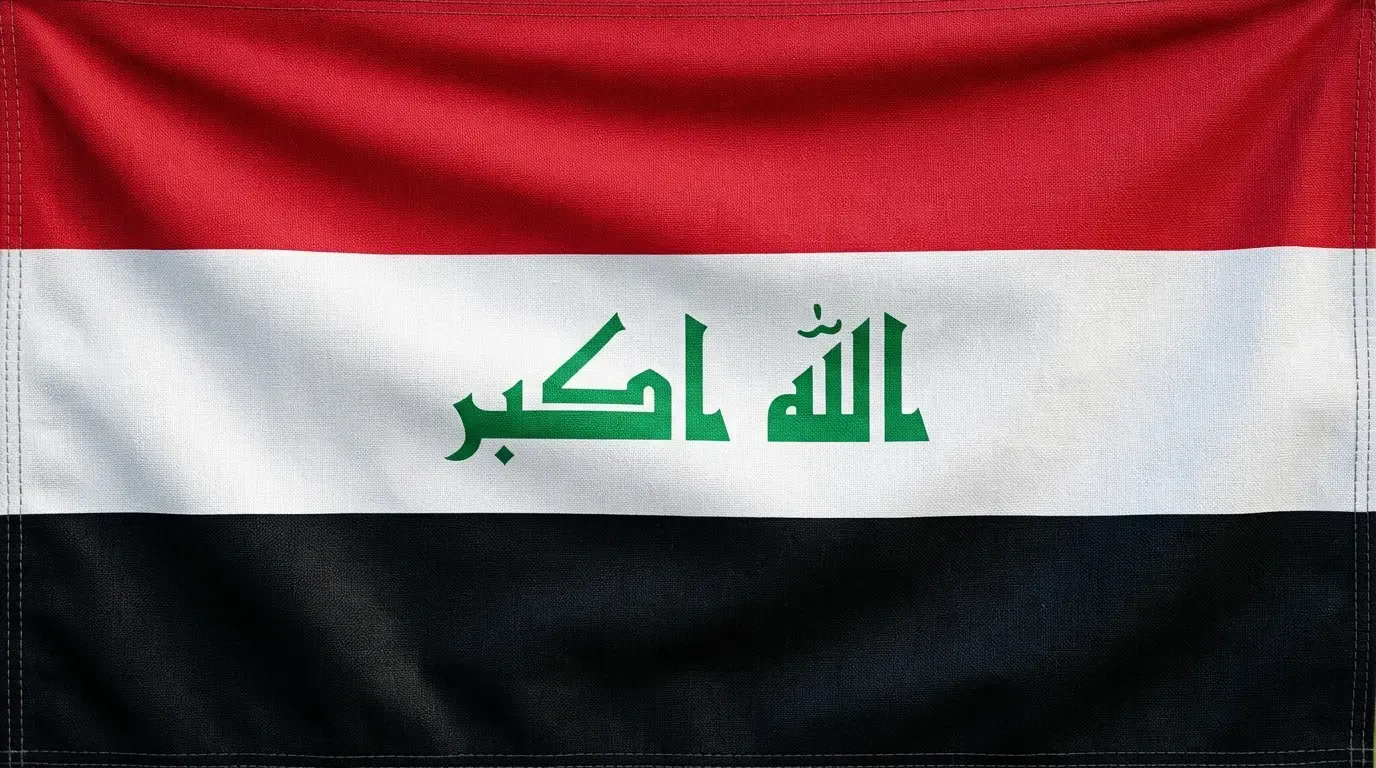
What to see in Iraq: 9 must-sees
Travel alert
Terrorism and militias: travel not advised
Discover what to see in Iraq: 9 must-see destinations, from Baghdad to Babylon. Predominantly UNESCO heritage and city; each entry includes the best time to visit and the link to its official source.
UNESCO Heritage(3)
Discover the ruins of Babylon, the city that ruled the ancient world, whose layout preserves 4,000 years of history engraved in brick. Walk the processional way toward the Ishtar Gate, with its tiled bulls and dragons, and amble among the remains of the citadel and the site attributed to the Hanging Gardens. Inscribed by UNESCO in 1987, the site testifies to a vanished civilisation whose laws, astronomy and literature still shape today's culture.
Visit the citadel of Erbil, in Iraqi Kurdistan, declared a UNESCO World Heritage Site in 2014. Walk its alleys raised on a tell inhabited for 6,000 years — one of the oldest continuously occupied settlements on Earth. Follow the adobe walls, the restored houses and the views toward the central square of the lower city. This site stands as an exceptional testimony to a cultural tradition and to a vanished civilisation.
Descend to Samarra, in Saladin Province, then climb the helical ramp of Al-Malwiyya, the 52-meter minaret that spirals five times around itself. The Abbasids raised the Great Mosque here in the 9th century, when the city was the caliphate's capital. UNESCO inscribed the archaeological ensemble in 1987, recognizing the remains of a vanished civilisation: palaces, walls and urban traces beside the Tigris that can still be read from above.
City(2)
Explore Baghdad, a capital founded 1,250 years ago, where the citadel rises over streets that keep the Abbasid layout. Cross its souks among stalls of spices, copper and fabrics, step into mosques of exposed brick and centuries-old madrasas, and end the day by the Tigris trying masgouf, the typical grilled fish, as the city blends Islamic heritage with contemporary life.
Explore the corniche of the Shatt al-Arab in Basra, the riverfront promenade where the Tigris and the Euphrates have already merged into a single channel on their way to the Persian Gulf. Walk among date palms that recall why this city was called the Venice of the East, and note the facades of the Ottoman quarters, with their latticed wooden balconies, now being restored. At sunset, boats cross the water as families claim the benches along the quay and vendors offer tea and dates. It is the clearest place to understand Basra's bond with its river.
Religious(2)
Stroll the surroundings of the Shrine of Imam Ali and look up at its golden dome, visible from almost anywhere in Najaf, one of the holiest places in Shia Islam. Beside it stretches Wadi al-Salam, the largest cemetery in the world, where Muslims from many countries still choose to be buried near the Prophet's son-in-law. Between mausoleum and necropolis you will understand why this Iraqi city receives pilgrims all year round; dress modestly and respect prayer times to visit both sites without disturbing the faithful.
Walk the space between the shrines of Husayn and Abbas, separated by the Bayn al-Haramayn esplanade, where pilgrims move barefoot between the two golden domes. The battle of the year 680 is commemorated here, and Ashura turns the city into one of the largest pilgrimage centers in the world: millions of worshippers walk in from Najaf and other cities, especially during Arbaeen. You may enter the mosque courtyards, observe the tilework and calligraphy, and try the tea and food handed out free during the days of mourning.
Archaeological Site(1)
Behold the ziggurat of Ur, partially rebuilt under the sun of Maysan, where tradition places Abraham's birth. Walk the streets of mud and brick that the Sumerians raised more than five millennia ago, when cuneiform writing and some of the first written laws were born here. Look at the royal tombs excavated in the 1920s, whose grave goods of gold and lapis lazuli are displayed in museums today, and climb the great stepped platform to take in the desert surrounding this city-state. Every stone tells how one of the world's oldest civilisations flourished on the banks of the Euphrates.
Natural(1)
Cross the Ahwar aboard a mashoof, the traditional boat the Ma'dan paddle through the reeds near Nasiriyah. These wetlands in southern Iraq were home to the Sumerians and remain the territory of the Marsh Arabs, who raise water buffalo and build their houses out of reeds. UNESCO inscribed them on the World Heritage list in 2016, recognizing both their natural values and the archaeological remains linked to the first Mesopotamian cities. Sailing at dawn you will see flocks of migratory birds resting on the channels and hear the splashing of buffalo as the boatmen tell how they rebuilt their villages after the drainage of the 1990s, when these wetlands almost disappeared entirely.
New destinations and itineraries, by email
Subscribe to receive newly published destinations and itineraries, plus seasonal travel ideas. One email, only when there is news.
Anything to correct or add about Iraq?
If you have spotted incorrect or outdated information, or want to suggest additional details about destinations in Iraq, leave us your comment. We review every one personally.