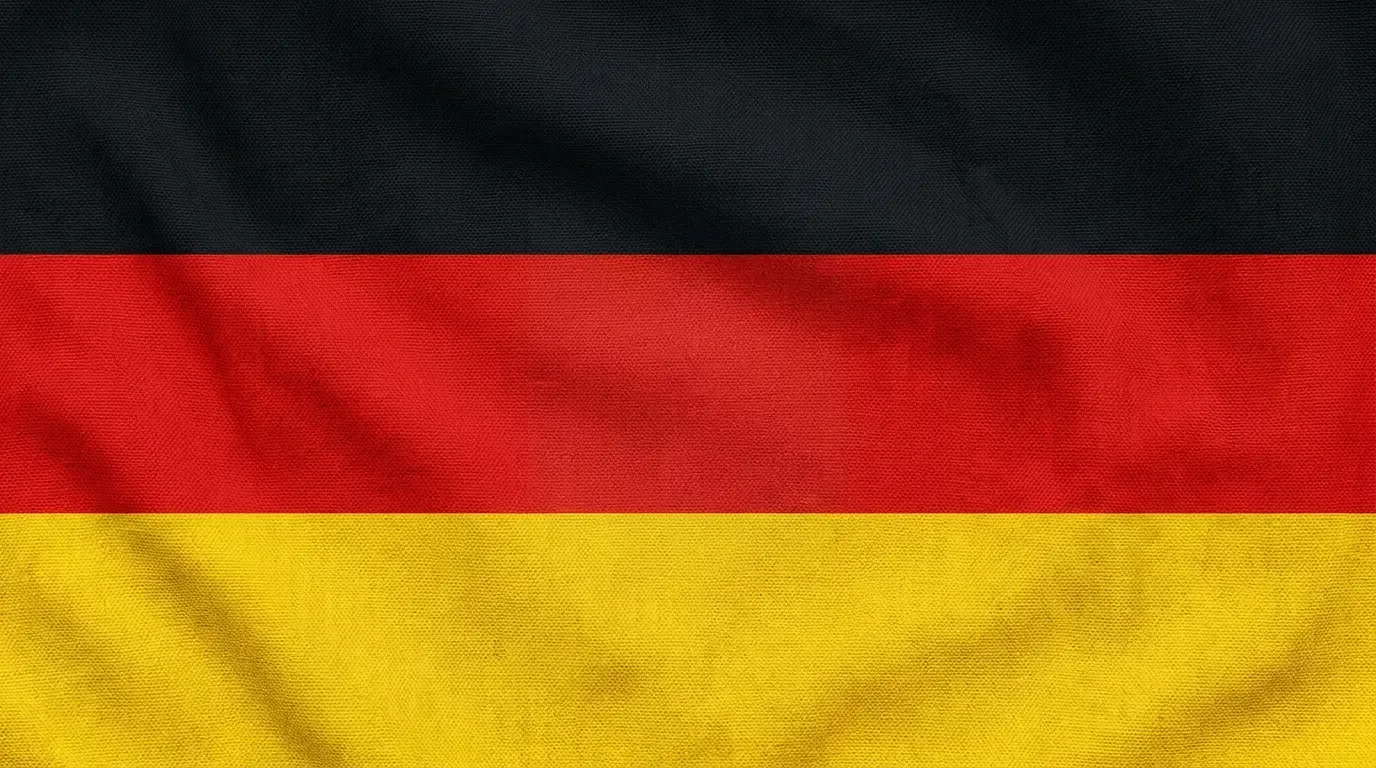
What to see in Germany: 10 must-sees
Discover what to see in Germany: 10 must-see destinations, from Brandenburg Gate to Museum Island. Predominantly city and monument; each entry includes the best time to visit and the link to its official source.
City(4)
Watch Marienplatz, the heart of Munich since the 15th century, as the New Town Hall's Glockenspiel (1909) sets 43 wooden figures dancing in reenactments of the 1568 ducal wedding and the 1510 Schäfflertanz. Founded in 1158 by Henry the Lion, the Bavarian capital is today the third-richest city in Germany. Browse the 140 stalls of the Viktualienmarkt, try a Weißwurst before noon, and order a one-liter mug at the Hofbräuhaus (1589) or the Augustiner (1328). End the day beneath the onion domes of the 15th-century Frauenkirche, with a Schweinshaxe and a Brezen in the Old Town.
Cross the red-sandstone Old Bridge (Alte Brücke) into Heidelberg's Old Town, where Germany's oldest university (1386) shares space with cobblestone alleys. The ruins of the 13th-century castle, destroyed by Louis XIV's army in 1693, loom over the Neckar and inspired Goethe, Mark Twain, and Turner. Walk up or take the funicular (1890) and you'll see the Große Fass, the largest barrel in the world (220,000 liters), built by Ludwig IV in 1751. Stroll the 1.6-km pedestrian Hauptstraße, the Bridge Gate (Brückentor), and the Philosophenweg across the river, with panoramic views of the valley.
Explore the gateway to the world, where 2.5 million people live among canals, dikes, and brick warehouses that made this city Europe's second-largest port power. Hamburg was never completely bombed during World War II—unlike Berlin or Dresden—which explains the Speicherstadt warehouses (1888), the largest warehouse district in the world, declared a UNESCO site in 2015. HafenCity, Europe's biggest urban regeneration project, has transformed the old docks into a modern district featuring the Elbphilharmonie (2017), Herzog & de Meuron's concert hall with its glass facade reflecting the Elbe River. Walk the Landungsbrücken, where Alster boats cross the harbor, and admire St. Michael's Church (1786) with its viewing platform 98 meters up. The canals of the Binnenalster and Außenalster are perfect for boat rides, and the Sunday-morning Fish Market bubbles with live music and fresh seafood.
Explore the city the Saxons called the 'Florence of the Elbe' and which the Allied bombing of February 13, 1945 reduced to rubble in 14 hours, destroying 800 years of history and killing 25,000 people. Today, the Frauenkirche (1743), rebuilt stone by stone between 1994 and 2005 with 40% original stones, dominates the skyline with its sandstone dome that changes color with the light, while the Zwinger (1710), Pöppelmann's baroque palace, houses the Old Masters Gallery with Vermeer's The Silk Weaver (1669) and Raphael's Self-Portrait (1506). Walk the Brühl's Terrace (300 m), the Meissen Art Gallery with its 300-year-old porcelains, the Palace of the Kings of Saxony and Königstein Fortress, the 17th-century stronghold where Allied prisoners of war were held during WWII. The bombing of Dresden remains one of the most controversial events in history, and the Peace Museum (Friedensmuseum) in the crypt of the Frauenkirche offers an honest perspective on the destruction and reconstruction.
Monument(3)
Walk beneath the only relic that survived both the Cold War and the destruction of 1945: the neoclassical gate of 1791 that divided Berliners for 28 years and today symbolizes Germany's reunification. Designed by Carl Gotthard Langhans as a triumphal arch for the Kingdom of Prussia, the Brandenburg Gate became the symbol of division when the Berlin Wall swallowed it in 1961, and of freedom when the Wall fell on November 9, 1989. The six bronze horses of the Quadriga, sculpted by Johann Gottfried Schadow, were looted by Napoleon in 1806 and returned in 1814, and today preside over Pariser Platz, where the Hotel Adlon, the French Embassy, and the Academy of Arts create a stage of Prussian elegance. Wander through Pariser Platz at dusk, when golden light illuminates the sandstone and traffic stops so pedestrians can stroll under the arch, and watch history repeat itself in every person who crosses the dividing line that no longer exists.
Walk the longest surviving stretch of the Wall, 1.3 kilometers that outlasted the fall of November 9, 1989 and became the world's largest open-air gallery, where 118 artists from 21 countries painted their dreams of freedom on the concrete that divided a city and the world. The most famous painting is Dmitri Vrubel's Kiss (1990), in which Leonid Brezhnev and Erich Honecker share a kiss symbolizing perestroika, while Birgit Kinder's The Journey (1989) shows a Trabant crossing the wall. Stroll along Unter den Linden, admire the wall fragments that recall the border, and observe the Merkedmal (level marker) that showed West Berliners the height of their East German brothers. The Berlin Wall was 155 kilometers of concrete, barbed wire, and watchtowers that killed 140 people, and today this section stands as a monument, a gallery, and a reminder that walls fall when people decide they can no longer live divided.
Climb up to the fairy-tale castle that Ludwig II of Bavaria built in 1869 as a tribute to Wagner and to the medieval world he dreamed of restoring, and which inspired Disney's castle more than any other building on the planet. Its 360 rooms, decorated by artists of the Bayreuth Opera, depict scenes from Tannhäuser, Lohengrin, and King Arthur, while the unfinished Throne Hall houses a replica of Solomon's throne in cedar wood. The 40-minute walk up from the village of Hohenschwangau or the horse-drawn carriage takes you through fir forests where waiters still wear medieval dress. From the castle terrace, the view of Lake Alpsee, the village of Hohenschwangau, and the Bavarian mountains is the perfect postcard Ludwig II set out to create. The castle was seized by the Bavarian government just 9 days after Ludwig's death in 1886, and today it receives 1.4 million visitors a year, more than any other monument in Germany.
UNESCO Heritage(2)
Dive into Europe's largest museum complex, a cluster of five island museums holding 6,000 years of human civilization, from the earliest cave paintings to contemporary art. The Pergamon Museum recreates the Ishtar Gate of Babylon (575 BC) and the Market Gate of Miletus, and also houses the Altar of Zeus, which the Germans dismantled stone by stone in 1878. The Neues Museum, designed by Stüler in 1855, holds the head of Nefertiti (1345 BC) and the Nefertiti bust that has fascinated millions, while the Alte Nationalgalerie displays works ranging from Dürer to Caspar David Friedrich. Schinkel's Altes Museum (1830), with its neoclassical rotunda, is a monument to Prussian Enlightenment. Explore the island between the Spree River and the Kupfergraben, admire the sandstone facades, and reflect on how East Germany turned them into museums while West Germany built the Pergamon Museum in Tiergarten. Today Museum Island has been a UNESCO site since 1990, and the reconstruction of the Hohenzollern royal palace promises to double its size.
Walk through the Holstentor Gate (1478), the symbol of Lübeck, and step into the 'Queen of the Hanseatic League', founded in 1143 by Adolf III of Schauenburg and capital of the Hanseatic League from 1299, a trade network that linked 200 Baltic cities for 400 years. Stroll along Holstenstraße past Baltic Gothic houses, part of the city's 1,800 protected buildings, such as the Salzspeicher (1447), the salt warehouses that financed its wealth, or St. Peter's Church (1227), with its sloping floor designed to make sailors feel like they were on a ship. End the day with Lübecker marzipan (since 1806) and the sunset from St. James's tower.
Natural(1)
Venture into Germany's most mysterious forest: 6,000 km² of pines, firs, and beeches where the Brothers Grimm set their fairy tales and where shepherds have grazed livestock for 2,000 years. The Schwarzwald is not the dense, impenetrable forest many imagine, but a mosaic of deep valleys, mountain ridges, and villages of slate-roofed houses where artisan clockmakers still build the cuckoo clocks that made the region famous. The Feldberg, at 1,493 meters, is the highest point, where trails wind between heather and glacial lakes, while the Kardashlands—medieval fisheries—stretch across the valleys. Travel the Black Trails Route (Schwarzwald Panoramastraße), taste the dark beer from the Rothaus brewery, try the original Black Forest cake in Triberg, where the 160-meter waterfalls are Germany's tallest, and watch the karstebäcker still baking rye bread in 300-year-old wood-fired ovens. Sunset over the Münstertal, when fog fills the valleys, is the perfect setting for understanding why the Romans called this forest the Silva Nigra.
New destinations and itineraries, by email
Subscribe to receive newly published destinations and itineraries, plus seasonal travel ideas. One email, only when there is news.
Anything to correct or add about Germany?
If you have spotted incorrect or outdated information, or want to suggest additional details about destinations in Germany, leave us your comment. We review every one personally.