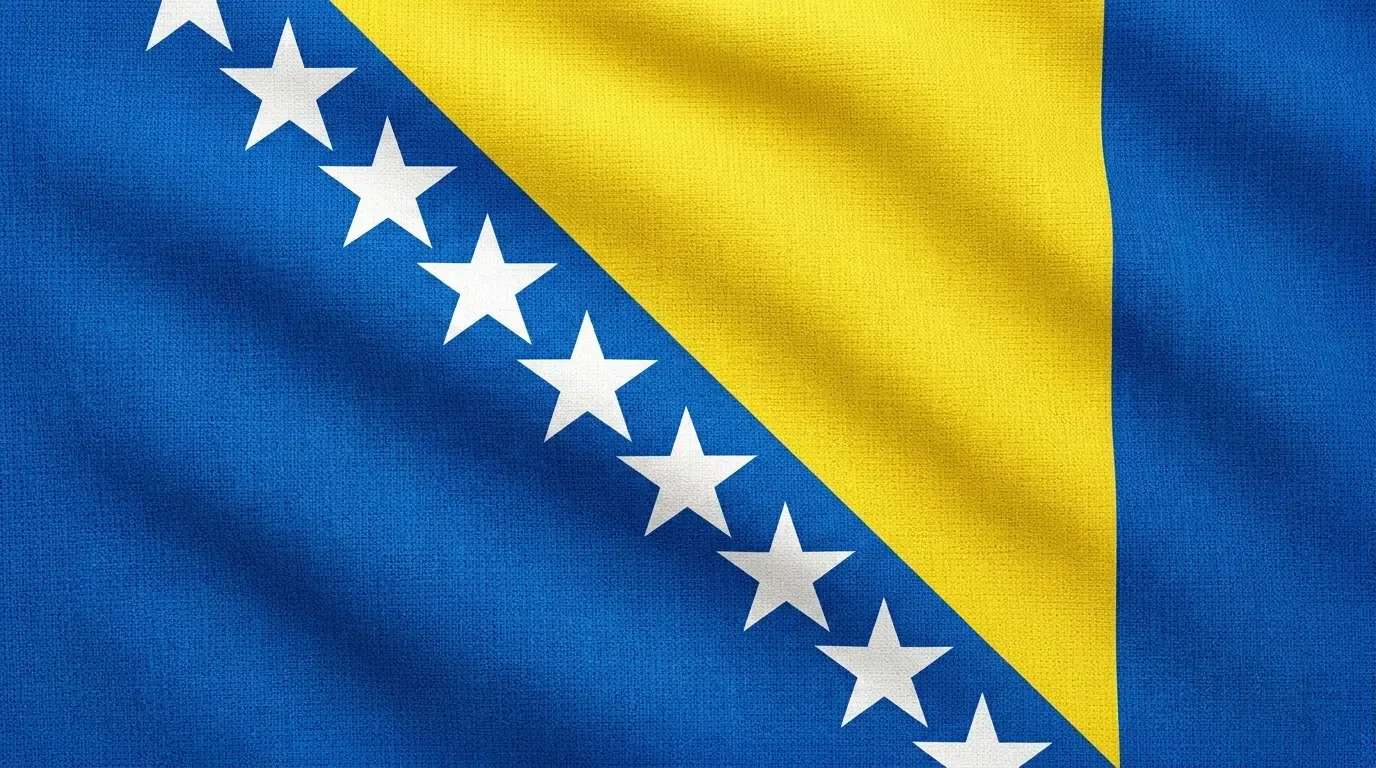
What to see in Bosnia and Herzegovina: 9 must-sees
Discover what to see in Bosnia and Herzegovina: 9 must-see destinations, from Old Bridge of Mostar to Sarajevo. Predominantly UNESCO heritage and city; each entry includes the best time to visit and the link to its official source.
UNESCO Heritage(3)
Behold the stone bridge with its 29-meter span rising over the Neretva River like a perfect arch, built between 1557 and 1566 by the Turkish architect Mimar Hayrudin, a disciple of Sinan, destroyed by a Croatian shell in 1993, and rebuilt stone by stone using original techniques between 1997 and 2004. Declared a UNESCO site in 2005, the bridge is a symbol of Bosnian reconciliation, and locals still leap from 24 meters up into the turquoise river as a rite of youth. Wander through Mostar's old town, where dark stone houses with slate roofs rise above the river rocks, and admire the Karadjozbeg Mosque (1557), the Ottoman clock tower, and the cafés facing the bridge, where the sound of the water mingles with the echo of voices. The bazaar by the bridge offers local crafts, olive-oil soap, and the traditional experience of Turkish coffee served in a copper finjan.
Cross this 11-arch bridge, 180 meters long, built in 1577 by Mimar Sinan over the Drina River for Grand Vizier Mehmed Paša Sokolović, a Christian slave who rose through the Ottoman court and wanted to connect his homeland with the empire. Its 12-meter width has withstood 450 years of wars, earthquakes and erosion. Ivo Andrić, winner of the 1961 Nobel Prize, immortalized it in 'The Bridge on the Drina' (1945). You'll see locals fishing from the stone and, in the distance, a valley covered in fir forests.
Explore the 2,211 stećci necropolises, Europe's most enigmatic medieval funerary monuments, where more than 60,000 limestone tombs decorated with solar dancers, warriors, vineyards and hunting scenes narrate 400 years of history that historians still debate. The stećci appeared in the 12th century and disappeared in the 16th, spreading across Bosnia, Croatia, Montenegro and Serbia in a territory where Catholics, Orthodox and Bogomils coexisted. Each tomb is unique: the oldest show swastikas and pre-Islamic solar motifs, while later ones incorporate crosses and Christian angels. Walk through the Radimlja cemetery (233 tombs) in Herzegovina, the most spectacular with its Dancer on horseback, take in the Boljuni cemetery in Montenegro, and admire the motifs of battles between Christians and Moors depicting the reconquest. UNESCO inscribed them in 2016 as testimony to medieval coexistence between religions.
City(2)
Immerse yourself in the city where East and West meet in a crossroads of cultures, where mosques, churches, and synagogues share the same alley, and where a gunshot in 1914 triggered World War I and another in 1992 began the longest siege of modern warfare. Founded by the Ottomans in 1457 as an arms-trading center, Sarajevo was the first European city to have an electric tram (1885), and the 1984 Winter Olympics brought the world the image of a multicultural Yugoslavia. Wander through Baščaršija, the 15th-century Ottoman bazaar where artisans still work copper and leather, admire the Gazi Husrev-beg Mosque (1531), the Church of the Sacred Heart (1889), and the Sacred Heart Cathedral (1887), and get lost in the alleys where Turkish coffee, burek, and ćevapi create an atmosphere that blends Istanbul with Vienna. The Latin Bridge (1557) and the Archduke Franz Ferdinand marker (28/06/1914) are reminders that history changed here, twice, forever.
Walk along Travnik's main street, Ivo Andrić's birthplace, where stone houses with wooden balconies rise above the Pliva River. Visit the 18th-century Citadel Fortress, the Sultan Suleiman Mosque (1558) and the museum dedicated to the Bosnian Nobel laureate (1961). For 300 years it was the capital of the Sanjak of Bosnia, the setting of 'Black Friday in Vienna' (1945). Try ćevapi, burek and dolma at riverside restaurants, and follow the Wine Route: 50 wineries using 2,000-year-old techniques.
Natural(2)
Behold the 22-meter waterfalls where the Pliva River plunges over limestone rock right in the city center, creating a unique landscape where nature and civilization coexist in perfect harmony. Jajce, declared a UNESCO World Heritage Site in 2010, was the capital of the Kingdom of Bosnia until 1463, when the Ottomans conquered it. The watermill on the Pliva River, still in operation, dates from the 13th century, and the 17 mills that once lined the river are now part of a cultural landscape that blends nature and history. The 15th-century citadel dominates the town from the hill from which the funeral cortege of the last Bosnian king, Stjepan Tomašević, departed for his exile in 1463. The trails around the falls offer spectacular views where water, rock and forests create a picture-postcard setting that has inspired travelers for centuries.
Discover the most spectacular waterfalls in the Balkans, where the Trebišnjica River plunges 28 meters over a rock wall 120 meters wide, creating an arc of water that seems straight out of a fairy tale. The Kravice falls, compared to a smaller-scale Niagara, form a natural amphitheater where the water tumbles in multiple cascades over moss and fern-covered rocks. In summer, the natural pool 50 meters in diameter lets you swim beneath the falls, while the trails of the surrounding forest offer viewpoints with spectacular vistas. Locals organize kayak trips, rafting on the Trebišnjica River and excursions to Vjetrenica Cave, the most important underground system in the Balkans, with 20 kilometers of explored tunnels.
National Park(1)
Step into Sutjeska National Park, 16,300 hectares in Republika Srpska where 500-year-old beech forests, glacial lakes and memories of World War II coexist. Hike through the Perućica Forest, a Strict Nature Reserve and one of Europe's last primeval forests, with 60-meter firs. Visit Tito's Bunker, a 1953 nuclear shelter with 100 rooms turned museum, and climb Mount Maglić (2,386 m), Bosnia's highest peak. Then descend to Trnovačko Lake, 200 meters in diameter and 40 deep, and walk among waterfalls, shepherds' villages and ruins from the 1943 Battle of Sutjeska.
Religious(1)
Behold the 16th-century tekke (dervish monastery) clinging to the wall of a 200-meter cliff above Europe's most copious spring, where the water of the Buna River gushes from the rock at 10 cubic meters per second in a jet that seems straight out of a fairy tale. The Blagaj tekke, built between 1624 and 1653 by the Bektashi Sufis, is one of the best-preserved monasteries in the Balkans, with its carved-wood inner courtyard, its library of Quranic manuscripts and its prayer hall overlooking the spring. Dervishes still perform dhikr (prayer) ceremonies in the main hall, while visitors can take in the blend of Islamic architecture and nature that creates a landscape of disarming beauty. The restaurant in front of the spring serves fresh trout from the Buna River in a setting that seems straight out of an oriental tale.
New destinations and itineraries, by email
Subscribe to receive newly published destinations and itineraries, plus seasonal travel ideas. One email, only when there is news.
Anything to correct or add about Bosnia and Herzegovina?
If you have spotted incorrect or outdated information, or want to suggest additional details about destinations in Bosnia and Herzegovina, leave us your comment. We review every one personally.