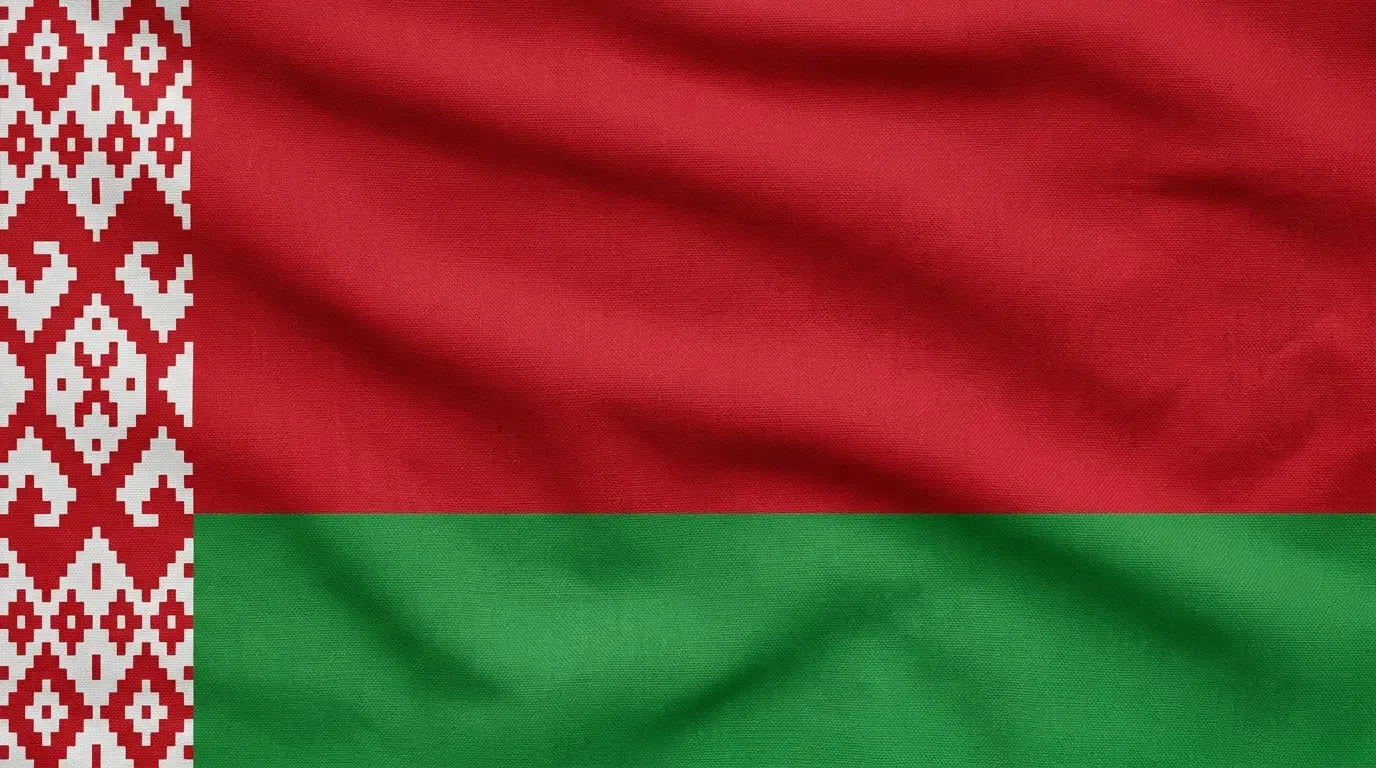
What to see in Belarus: 6 must-sees
Travel alert
Russia-allied regime: travel restrictions
Discover what to see in Belarus: 6 must-see destinations, from Mir to Nesvizh (Residence). Predominantly UNESCO heritage and city; each entry includes the best time to visit and the link to its official source.
UNESCO Heritage(3)
Behold the 15th-century Gothic castle that was the scene of 8 sieges over 500 years and today stands as Belarus's most impressive medieval monument. Founded by the Ilinich family in 1520 and expanded by the Radziwills in 1568, the castle combines Gothic, Renaissance, and Baroque architecture in a labyrinth of towers, walls, and courtyards. The Radziwill Palace (16th century) with its Renaissance courtyard, the Virgin Tower (40 meters), and the 1,150-meter defensive wall with 11 towers form a complex UNESCO inscribed in 2000 as European heritage. Wander through the museum rooms, where original furniture and family portraits tell 500 years of history, take in the view from the keep, and lose yourself in the southern gardens, where century-old trees frame the medieval entrance. The castle has survived Mongol invasions, Ottoman wars, World War II, and the passage of time, becoming a symbol of Belarusian resistance.
Explore the residence of the Radziwills, the most powerful family in Eastern Europe for 500 years, founded in 1583 by Mikałaj Krzysztof Radziwill. The Palace (1583-1770), rebuilt after the fire of 1706, blends Renaissance, Baroque, and classical styles across 33,500 square meters and 465 rooms; in its heyday it housed a 10,000-volume library, a theater, and an opera house. The 18th-century park, laid out in the English landscape style, adds artificial lakes, a waterfall, and a 2-hectare maze. The Church of the Holy Relics (1648), the region's first Baroque church, guards the family mausoleum. In July and August, the Nesvizh Festival fills the gardens with music, theater, and the arts.
Walk through the fortress where 400 Red Army defenders held out for 32 days against 45,000 German soldiers in June 1941, the first act of resistance of World War II. Built between 1834 and 1842 on an island where the Berezina and the Teteriv rivers meet, Brest Fortress was one of the first targets of Operation Barbarossa, and its defenders, led by Commissar Captain Fomin, refused to surrender until death overtook them. The Resistance Tower, the largest monument in Eastern Europe (33 meters), dominates the fortress, where tunnels, bunkers, and trenches tell the story of an act of heroism that inspired the entire Soviet Union. The Museum of Resistance and the Peace Park offer an honest perspective on war and reconciliation, while the Istanbul Gate complex (16th century) completes the 1,500-year history of a fortress that was never conquered.
City(1)
Immerse yourself in Europe's most surreal capital, where white marble Soviet buildings rise along avenues 100 meters wide, as if an 18th-century architect had dreamed of a tropical Moscow. Minsk was 85% destroyed during World War II and rebuilt by Complete under the 1951 master plan, creating a city of monumental Stalinist architecture that today blends with modern buildings. Walk along Prospekt Nezavisimosti (Independence Avenue), the longest in Eastern Europe (8 km), where the Palace of the Republic (1984), the National History Museum (1919), and the State University (1921) create a landscape of marble and granite. Independence Gate (1947), the Victory Monument (1954), and the Green Ring, a 29-km park encircling the center, complete a city that is at once a monument to Soviet power and a testament to Belarusian resilience.
Natural Heritage(1)
Explore Europe's last primeval forest, 141,800 hectares of beech woodland where European bison, wolves, and moose live in an ecosystem that has survived 10,000 years undisturbed by human hands. Białowieża Forest, declared a UNESCO World Heritage site in 1979, is the natural habitat of the European bison (Bison bonasus), Europe's largest land mammal, which was driven to the brink of extinction in 1927 (54 individuals) and today numbers 4,000 across Europe. The park's trails wind among 300-year-old beeches, giant birches, and clearings where deer come to drink at dawn. The Białowieża Visitor Center offers guided tours where rangers tell the forest's story, while the King Tree of Białowieża, a 50-meter-tall, 1,000-year-old beech, is Poland's oldest tree. If you visit in December, you can watch the snow covering the forest like a fairy tale.
Monument(1)
Visit the 18th-century palace that served as the residence of the Rumyantsevs, generals of the Russian Empire, where neoclassical architecture, English gardens, and an art collection tell 300 years of history. The Rumyantsev-Paskevich Palace (1793-1834) combines neoclassical, pseudo-Gothic, and Oriental styles in a 150-room complex housing an 8,000-volume library, a gallery of family portraits, and a 4-hectare landscaped garden with waterfalls, bridges, and an artificial lake. The 200-meter main facade dominates the city, while the 18th-century park offers an oasis of shade and natural beauty. The Local History Museum, the Astronomical Observatory, and Independence Square round off a visit to the most important city in southeastern Belarus.
New destinations and itineraries, by email
Subscribe to receive newly published destinations and itineraries, plus seasonal travel ideas. One email, only when there is news.
Anything to correct or add about Belarus?
If you have spotted incorrect or outdated information, or want to suggest additional details about destinations in Belarus, leave us your comment. We review every one personally.